

GPT Image 2 vs Seedream 5.0 vs Nano Banana 2 is the wrong question if you start with leaderboard scores. Most comparisons rank general image quality, API latency, or typography on posters. Paid social teams ship 1080×1080 feed squares with readable offers, 9:16 frames that still show the SKU, and twenty variants before Friday — not gallery pieces.
The useful question: what is blocking your ad right now? Wrong spelling in the headline? Bottle color that does not match the pack shot? Ten SKUs that need the same seasonal look by end of day?
We ran all three models inside KreadoAI in May 2026 on one DTC skincare brief — same product photo, same offer line, same three output sizes. Below is a bottleneck-first routing guide, not a beauty contest.
Pick Your Bottleneck First
Skip to the row that matches your review-room pain. That is the model to open first in KreadoAI.
| If this is blocking launch… | Start here | Why |
|---|---|---|
| Headlines, price badges, or CTAs must render inside the image | GPT Image 2 | Only model with a Pass on copy-in-image in our test |
| Product shape, label color, or pack shot fidelity fails QA | Nano Banana 2 | Closest SKU match + fastest cross-ratio variants |
| Ten-plus SKUs need one seasonal visual system this week | Seedream 5.0 | Best stylistic coherence at batch scale |
| You need 100+ variants/month mixing text and product layers | Hybrid on KreadoAI | Nano Banana 2 hero frame → GPT Image 2 text pass |
| You can only learn one model this quarter | Nano Banana 2 if image-led; GPT Image 2 if copy-led | Most DTC feeds are product-first; offer-led promos are not |
No row wins everything. That is intentional — treat models like lenses inside the same Ad Creative Generator project, not a lifetime vendor pick.
How We Tested: Ad Creative Stress Test
Generic benchmarks miss what performance marketers reject: melted letters, wrong bottle color, crops that clip the CTA, variants so slow you default back to Canva templates.
ACST — five dimensions, same brief, May 2026:
| Dimension | What we measured |
|---|---|
| Copy-in-image | Headline, price badge, CTA readable without manual retypesetting |
| Product fidelity | SKU silhouette, label color, pack shape vs source photo |
| Platform fit | 1:1 feed, 9:16 vertical, 1200×628 display — usable without rebuild |
| Variant velocity | Time to four review-ready options from one prompt |
| Edit continuity | Same layout after "swap headline" or "lighter background" pass |
- Input: White-background serum bottle + brief: "30% off first order — clean clinical look — Meta feed + Reels + Google display."
- Models: GPT Image 2, Nano Banana 2, Seedream 5.0.
- Scoring: Pass / Partial / Fail per dimension — qualitative calls from two reviewers, no invented numeric scores.
- Third-party writeups like Soku's GPT Image 2 vs Nano Banana 2 ad piece shaped our dimension list but did not replace hands-on testing on KreadoAI.
Same Brief, Three Models — Side-by-Side Output
We ran the identical prompt through each model inside KreadoAI — no post-editing, no designer touch-up:
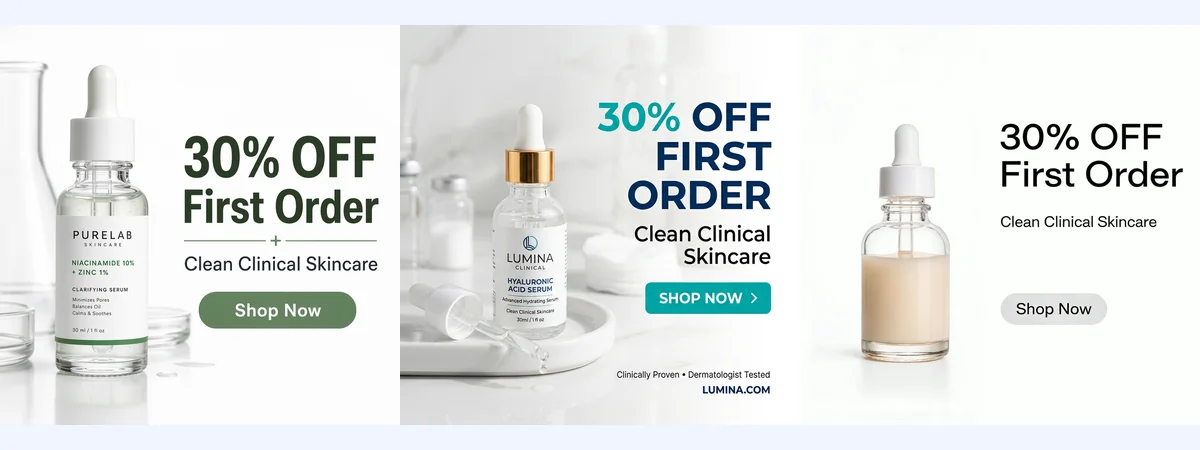
Meta Instagram feed ad 1:1. Skincare serum bottle with dropper, white clinical background. Headline 30% OFF First Order. Subhead Clean Clinical Skincare. Shop Now CTA. Product left, text right.
Left → right: GPT Image 2 · Nano Banana 2 · Seedream 5.0 — same brief, May 2026, generated via KreadoAI.
When Copy-in-Image Blocks Your Launch → GPT Image 2
- The failure mode: Media buyer approves the layout. Legal rejects it because "30% OFF" rendered as "30% O FF" or the subhead clipped below the safe zone. You rebuild in Figma at 9pm.
- What we ran: Full brief with headline, price badge, CTA pill, and product left / copy block right — 1080×1080 and 1200×628.
- What happened: GPT Image 2 (ChatGPT Images 2.0 on KreadoAI) was the only model with a Pass on copy-in-image. "30% OFF" and the subhead landed correctly on the first generation more often than the other two. Structured compositions — product left, copy block right, CTA bottom — held without drifting into random collage.
- Where it struggled: Batch exploration. When we needed ten quick visual directions with minimal copy, GPT Image 2 felt slower than Nano Banana 2. Glass reflection and exact label micro-type occasionally softer than Nano Banana 2's hero shots.
- Ship this when: Meta and Google statics with burned-in offers, carousel first frames with price callouts, any creative where wrong spelling kills the ad before media buying starts.
Actual GPT Image 2 output from the shared brief — note readable headline and structured copy block (copy-in-image Pass).
Open GPT Image 2 in KreadoAI →
When Product Truth Blocks Your Launch → Nano Banana 2
- The failure mode: Creative looks premium. Performance team rejects it because the cap color shifted from navy to black or the bottle height changed — now it does not match the PDP and hurts post-click conversion.
- What we ran: Same serum reference photo, minimal copy, emphasis on photoreal product presence across 1:1, 9:16, and landscape from one prompt.
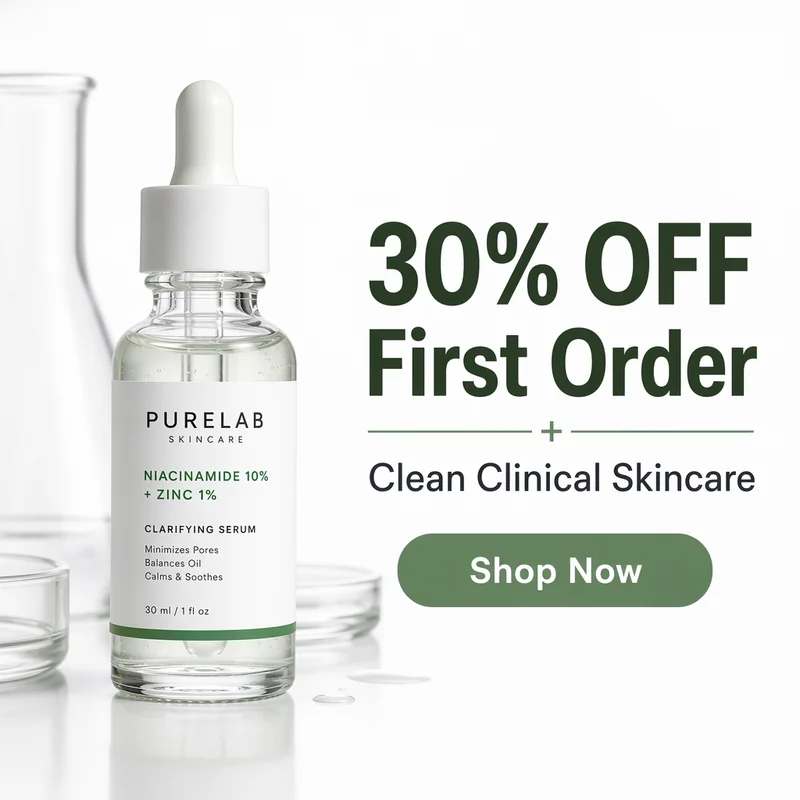
- What happened: Nano Banana 2 (Gemini 3.1 Flash Image on KreadoAI) kept bottle height, cap color, and label placement closest to the source. Cross-ratio outputs felt like one campaign, not three unrelated generations. Four usable directions landed faster than GPT Image 2 for pure image-led tests.
- Where it struggled: Copy-in-image scored Partial. Short promos often worked; dense multi-line layouts sometimes needed a second pass or a handoff to GPT Image 2 for the text layer.
- Ship this when: DTC feed and Reels stills, catalog-style product ads, high-volume A/B image tests where the product must look real before you overlay copy in post — common in ecommerce ad workflows and Instagram ad maker sizing.
Actual Nano Banana 2 output — strongest product fidelity and clean pack-shot presence in our run.

When Batch Catalog Refresh Blocks Your Launch → Seedream 5.0
- The failure mode: You refreshed SKU #1 and it looks editorial and on-brand. SKUs #2–#10 look like they came from three different mood boards. The campaign never ships.
- What we ran: Ten-variant batch prompt with shared seasonal styling — soft bathroom shelf, morning routine light, consistent color grade across generations.
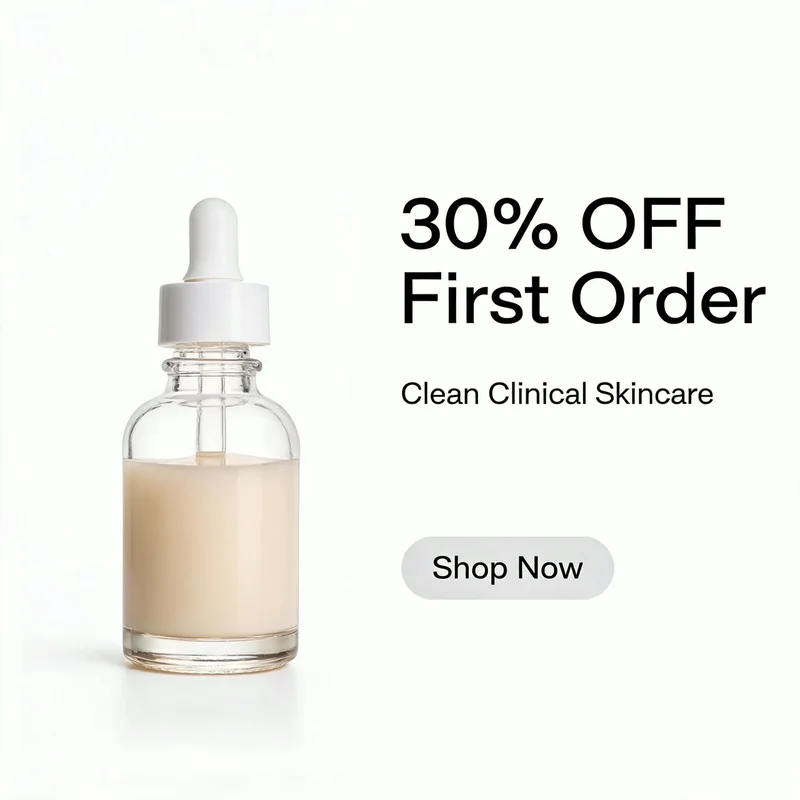
- What happened: Seedream 5.0 (ByteDance Seedream 5.0 Lite on KreadoAI) held the most consistent visual language across multiple outputs. Lifestyle contexts — shelf, routine, editorial light — arrived without photo-shoot cost. Paired with KreadoAI's Multi-Size Ad Image Generator, downstream crops were workable.
- Where it struggled: Copy-in-image and edit continuity scored Partial. Long body-copy blocks occasionally drifted to pseudo-text; major layout edits sometimes needed a fresh generation rather than an incremental patch.
- Ship this when: Catalog refreshes, seasonal promo batches, brands that prioritize mood and consistency over pixel-perfect headline kerning on every variant.
Actual Seedream 5.0 output — softer editorial mood; copy-in-image scored Partial on dense layouts.
Hybrid Workflows That Actually Ship
The teams running the most volume on KreadoAI do not pick a favorite model — they chain bottlenecks.
Pipeline A — Product hero, then copy layer
- Nano Banana 2 for the product frame (1:1 + 9:16).
- GPT Image 2 for offer-led variants with readable headline and CTA in-frame.
- Export via Ad Creative Generator for media-buy handoff.
Pipeline B — Seasonal batch, then text fix
- Seedream 5.0 for ten SKUs under one visual system.
- GPT Image 2 pass only on the two hero SKUs that need dense in-image copy.
- Designer QA on logo placement and legal disclaimers — still faster than ground-up production.
Pipeline C — Speed-first DTC testing
- Nano Banana 2 for four image-led variants in under an hour.
- Overlay short promo text in Smart Canvas or a second GPT Image 2 generation only on the winner.
That matches the shift away from "one best model" toward workflow routing — similar to how Addogs' May 2026 piece argues for bottleneck-first choice, not leaderboard chasing.
Model Routing Cheat Sheet
| ACST dimension | GPT Image 2 | Nano Banana 2 | Seedream 5.0 |
|---|---|---|---|
| Copy-in-image | Pass | Partial | Partial |
| Product fidelity | Good | Pass | Good |
| Platform fit | Good | Pass | Good |
| Variant velocity | Moderate | Pass | Pass |
| Edit continuity | Pass | Pass | Partial |
| Owns the… | Text layer | Product layer + speed | Batch stylistic coherence |
GPT Image 2 vs Seedream 5.0 vs Nano Banana 2 does not have a universal winner — and that is the point. Wrong text → GPT Image 2. Wrong product → Nano Banana 2. Wrong campaign cohesion → Seedream 5.0. Serious volume → hybrid inside one KreadoAI workspace.
FAQ
Which AI image model is best for ad creatives with text?
GPT Image 2 — for ads where headline, price, and CTA must render inside the image. In our May 2026 ACST test it was the only model with a Pass on copy-in-image. Nano Banana 2 and Seedream 5.0 work for short promos but dense copy layers often need a second pass or a handoff.
Is Nano Banana 2 better than GPT Image 2 for ecommerce product ads?
For product-led static ads, often yes. Nano Banana 2 kept SKU shape and color closest to our reference bottle. For offer-led ads with long copy, GPT Image 2 wins. Many ecommerce teams use Nano Banana 2 for the product frame and GPT Image 2 when the promo text is the hook.
Is Seedream 5.0 good for marketing and catalog images?
Yes — especially at batch scale and stylized lifestyle looks. Seedream 5.0 was not our top pick for typography or single-hero fidelity, but it handled multi-SKU visual consistency well. Pair it with KreadoAI sizing tools for platform exports.
Can these models replace designer-made Meta and Google banners?
Partially. All three produced review-ready concepts for our skincare brief. High-stakes brand campaigns still benefit from designer QA on logo placement, legal disclaimers, and brand grid rules. For performance testing and rapid iteration, these models cut production time sharply.
GPT Image 2 vs Seedream 5.0 vs Nano Banana 2 — is there one overall winner?
No. GPT Image 2 leads text-in-image ad layouts. Nano Banana 2 leads product realism and variant speed. Seedream 5.0 leads batch stylistic coherence. Pick by bottleneck, not by a single score.
Which model is fastest for high-volume A/B ad testing?
Nano Banana 2 and Seedream 5.0 both delivered four review-ready directions faster than GPT Image 2 in our test. If variants are image-led with minimal copy, start with Nano Banana 2. If you need readable offers on every variant, budget time for GPT Image 2 or a two-model pipeline.
Do I need one model or a hybrid workflow?
Hybrid for serious ad volume. Route by task — text layer vs product layer — rather than model loyalty. KreadoAI keeps GPT Image 2, Nano Banana 2, and Seedream 5.0 in one workspace specifically for that split.
How do the models compare on Meta feed vs Reels sizing?
Nano Banana 2 produced the most consistent cross-ratio set (1:1 and 9:16) from one brief. GPT Image 2 and Seedream 5.0 were usable on all three ACST sizes but occasionally needed reframing. Use KreadoAI multi-size export when launching across Instagram ad maker and display placements.
Which model handles product photo plus brand colors best?
Nano Banana 2 for photographic product truth; GPT Image 2 when the brief includes strict layout zones and type hierarchy. Upload brand references in the prompt — none of the models guarantee Pantone-exact color without human review.